Billboards that read the room
A vision model looks at who's walking past a digital billboard, then picks the ads most likely to land. Online-style targeting, out on the street.
 Mate MarschalkoFounder & ConsultantCompleted

- Expertise
- AI & Automation
- Type
- Prototype
- Status
- Completed
- Year
- 2024
- Focus
- Computer Vision, GPT-4 Vision, Digital Signage, Advertising, Retail
The project
Online ads know a scary amount about you. A billboard knows where it is and what time it is. That's about it.
I wanted to close that gap.
How it works
A camera faces the audience. Every few seconds, a frame goes to a vision model along with the location and the time. The model describes who's there: how many people, rough ages, what they're wearing, what they're carrying, what they seem to be doing, and how they relate to each other. Then it ranks a library of 50 ads and the screen shows the top three.
Like online advertising, the ranking could weigh relevance against what each advertiser bids.
What it picked
I tested it on real street footage and photos from around the UK.
Two casually dressed men, 4pm, outside a London Tube station. It suggested an affordable fashion chain, a burger chain and a bakery chain. Errands and a cheap bite.
A businessman on London Bridge, 9am. A premium car brand, an upmarket department store and an experience-gift company. Morning commute, high earner, probably.
Four teenagers, Saturday lunchtime in Birmingham. A football video game, a trend-led fashion brand and a quick lunch. It spotted that they were style-conscious, which shifted the fashion pick away from the budget option.
A man walking a dog. A pet store, a ride-hailing app and experience days. The dog was the giveaway.
School children with lanyards. A toy brand, a family holiday park and a budget meal.
What surprised me
- It worked on low-resolution, poor-quality images.
- It read relationships: friends, families, colleagues.
- It picked up context like commuting, shopping or a day out.
- It noticed what people were holding. Carrying a competitor's shopping bag or a particular coffee? Targeting gets sharper still.
The responsible version
Anything involving cameras and people has to be designed carefully, and I'd build it that way from day one. Process frames on the device, keep no images, store no identities, and work with aggregate, anonymous descriptions only. Signage, clear notices and a privacy assessment come as standard. Relevance is the goal. Surveillance never is.
Where it fits
- Digital out-of-home networks that want online-grade relevance and reporting
- Retail screens that adapt to who's in store right now
- Venues, stations and malls measuring footfall, dwell time and audience mix
- Brand activations where the screen responds to the crowd
I build vision pipelines, the screen experience and the analytics behind them. Let's talk about your screens.
Related projects
All AI & Automation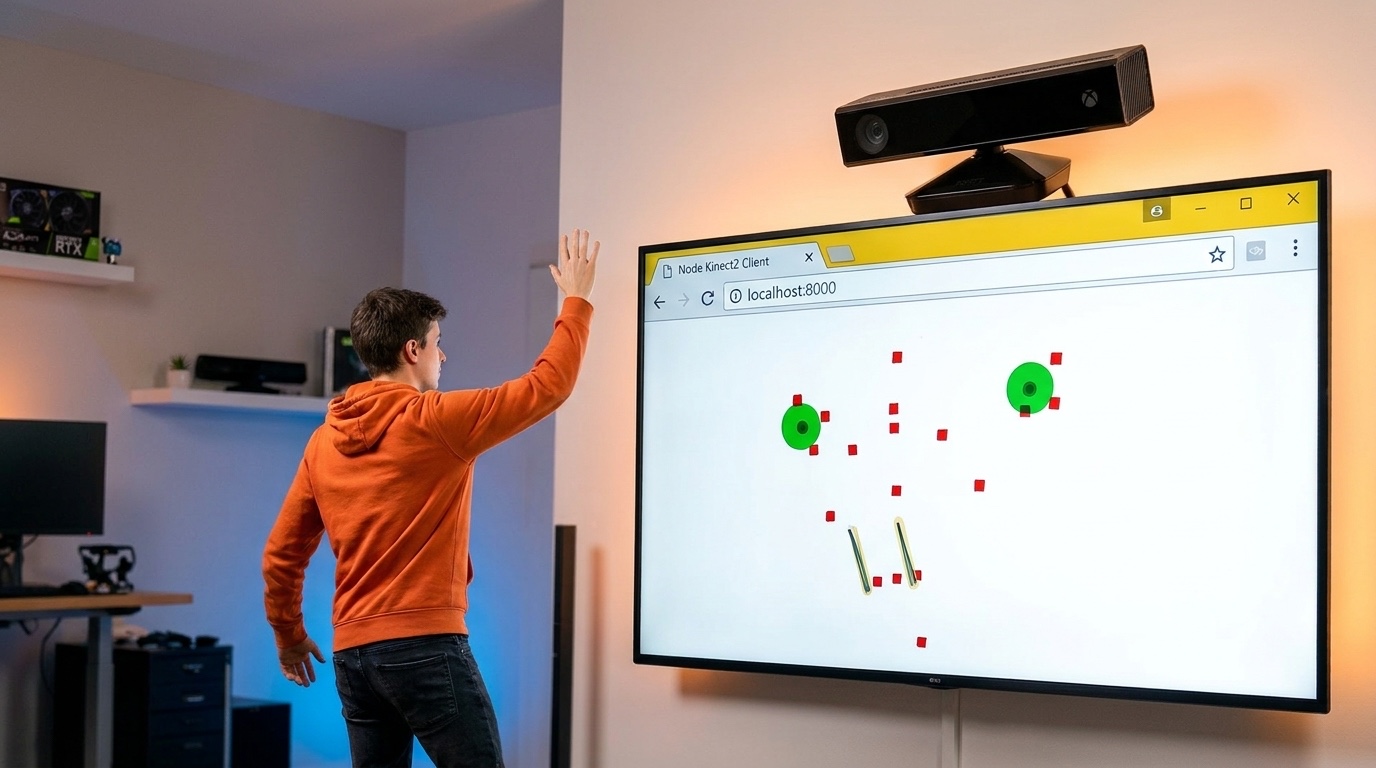
Touch-free screens with Kinect gesture tracking
Full-body skeleton tracking streamed into the browser, turning any big screen into something people control with their hands.

George II: a talking plant that sees, listens and remembers you
A desk plant with real sensors, face recognition, voice and memory. Cloud AI services stitched together into one character.

An AI dev team that works from Jira tickets
Four AI agents and one orchestrator take a ticket from triage to code, QA, pull request and review, in a couple of minutes.