AI car mechanic: expert diagnosis from a £20 scanner
A chat assistant that reads OBD fault codes, searches a technical knowledge base by meaning, and explains car problems in plain English.
 Mate MarschalkoFounder & ConsultantCompleted
- Expertise
- AI & Automation
- Type
- Prototype
- Status
- Completed
- Year
- 2023
- Focus
- RAG, Embeddings, OBD-II, Diagnostics, GPT-3
The project
A friend's YouTube video showed how to disable the rev limiter. Now the car sounds like a racing car, and there's a P0219 code on the dash. Has the engine been damaged?
My AI mechanic explained the over-speed condition, politely pushed back when told the friend "knows loads about cars," and suggested a new exhaust as a safer way to get the sound. That's the kind of answer you'd want from a good mechanic.
The idea
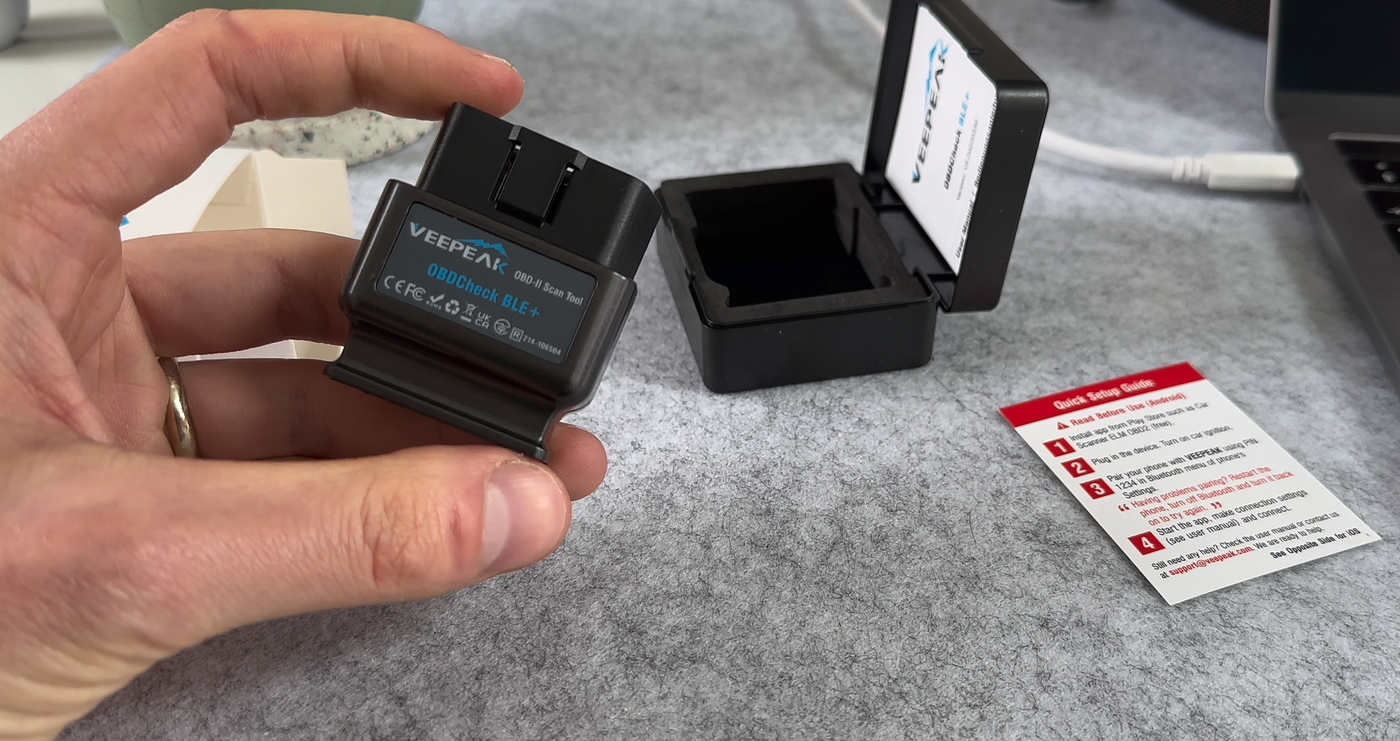
When a mechanic plugs a laptop into your car, they're reading fault codes from the OBD port. You can do the same with a £20 to £30 Bluetooth scanner and your phone. The missing piece is someone to explain what the code means for your car, and what to do next.
I built that someone in under two days.
How it works
A real knowledge base. I collected a large dataset of OBD fault codes, each with a detailed technical explanation, likely causes and fixes.
Two ways in. Start with a code and the app does a direct lookup. Start with a description ("I'm unable to cool my car") and it uses embeddings to search by meaning. It finds the air-con entries even though the word "cool" appears nowhere in them.
A carefully layered prompt. Every request combines four parts: who the assistant is (MEC, a professional mechanic who explains things simply), the technical context it found, the conversation so far, and the latest question. It's told to use the technical data without reciting it, give a plain-English summary and practical next steps, and stay friendly when the chat wanders off-topic.
It copes with vague descriptions, several issues at once, follow-ups, and the odd question about cleaning spilt coffee off the seats.
The bigger picture
This is retrieval-augmented generation (RAG) with a hardware data source, and the shape transfers to almost any industry with fault codes and frustrated users:
- Appliance and boiler manufacturers: error codes explained to homeowners, with the right part identified before an engineer visits
- Industrial equipment: machine alarms translated into a fix for the operator on the floor
- Fleet operators: telematics data triaged before a vehicle goes off the road
- Support teams: first-line diagnosis that hands a complete summary to a human
I build these end to end: data collection and cleaning, semantic search, prompt design, the chat interface and, where needed, the hardware that reads the data. Tell me about your diagnostics problem.
Related projects
All AI & Automation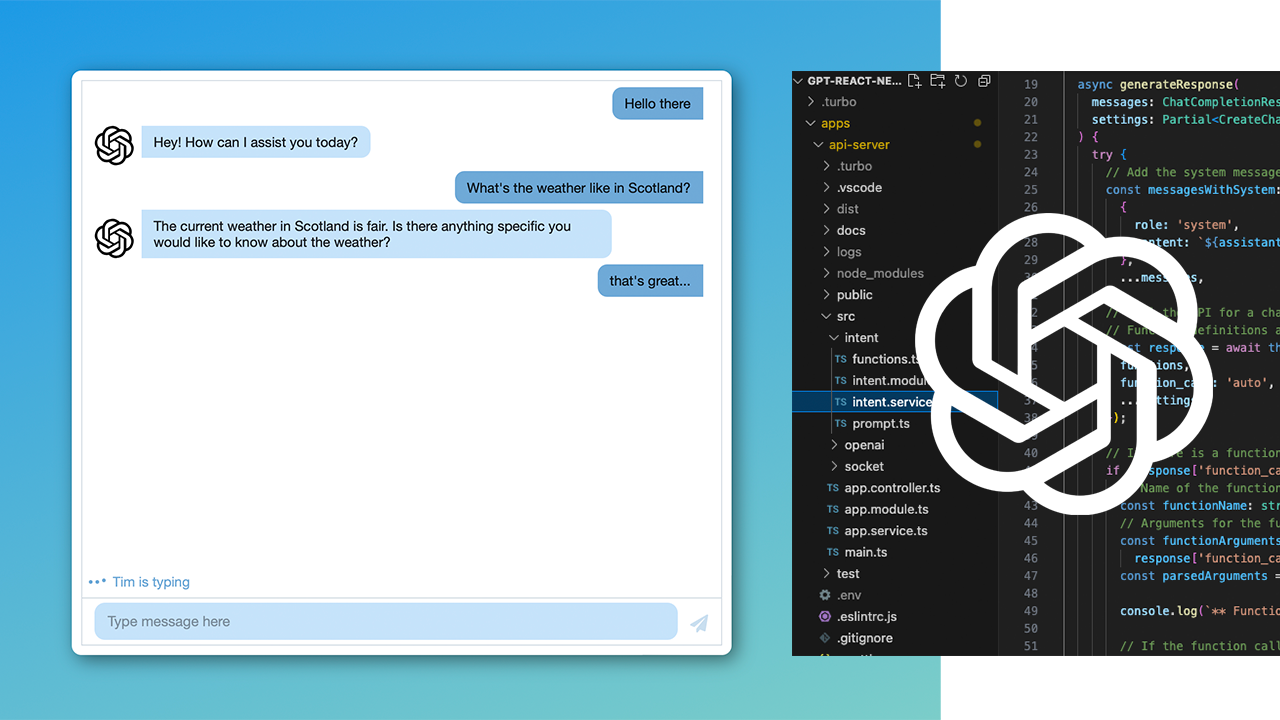
An AI drive-thru assistant, built in under a day
A GPT-4 ordering assistant that handles messy, mind-changing customers and outputs clean, structured orders.

The smartest home assistant I could build
From a ChatGPT-powered Siri Shortcut to a real-time voice assistant that runs a whole HomeKit house, reads the calendar and checks the cameras.
A $2 web server that can think
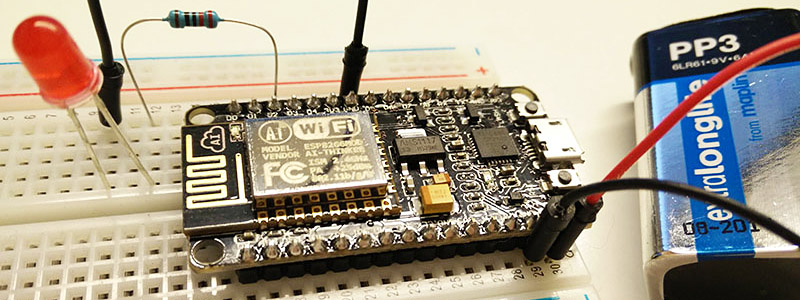
An ESP8266 chip running a web server on a 9V battery. Back then it switched a light. Today it can ask a language model what to do next.